
Ecological Local Action for Tropical Habitat and Native Diversity
About ELATHAND
A grassroots ecological initiative working across the Western Ghats and the wider tropics.
ELATHAND is a grassroots ecological initiative dedicated to protecting tropical habitats, restoring degraded ecosystems and promoting the conservation of native biodiversity through community awareness and local action.
Our work focuses on ecological education, biodiversity conservation, invasive species awareness and habitat restoration, particularly within tropical ecosystems such as the Western Ghats — one of the world's most important biodiversity hotspots.
We believe that effective conservation begins with informed communities, and that local participation is essential for safeguarding ecosystems for future generations.
Our vision
A society where communities actively protect tropical ecosystems, restore degraded landscapes, and safeguard native biodiversity for future generations.
Our mission
To educate, inspire and mobilise communities to participate in the conservation, restoration and sustainable stewardship of tropical habitats and native biodiversity.
Rooted in purpose, defined by three.
What we stand for
Conservation for today, Restoration for the past, Sustainability for tomorrow.
Conservation
Protecting nature today
Conservation is the commitment to protecting the natural and cultural heritage that shapes tropical landscapes. It extends beyond wildlife and forests to the relationships between ecosystems, biodiversity, and the people who have lived alongside them for generations.
Our work focuses on tropical forests, riparian ecosystems, wetlands, grasslands, freshwater habitats and the native flora and fauna they hold. These systems provide clean water, climate regulation, soil conservation, carbon storage and livelihoods for millions of people.
It also means recognising the role of indigenous and tribal communities. Their traditional ecological knowledge and sustainable practices have stewarded biodiversity for centuries, and lasting conservation depends on empowering those communities, protecting their rights and documenting their knowledge.
Restoration
Healing what has been lost
Restoration is the work of rebuilding ecosystems degraded by human activity. It is far more than planting trees. It is the recovery of the biodiversity, ecological functions and natural processes that let an ecosystem sustain life and adapt to change.
Across tropical landscapes, forests, rivers, wetlands and grasslands have been altered by deforestation, fragmentation, unsustainable land use, pollution, climate change and invasive alien species. Restoration seeks to reverse those impacts by creating the conditions for native species and ecological processes to return.
Restoration is also a social commitment. Ecosystems endure only when the people who depend on them become stewards of their recovery, so we work alongside indigenous communities, residents, students, volunteers and institutions rather than around them.
Sustainability
Responsibility beyond our lifetime
Sustainability is the responsibility to ensure today's actions do not compromise the ability of future generations to thrive. How we use resources, build infrastructure, produce food and apply technology shapes the ecological world that follows us.
Forests, rivers, wetlands, soils and biodiversity are not inexhaustible assets. They are living systems that regulate climate, provide water and food, and sustain all life. Progress is essential, but it cannot come at the cost of the systems that make it possible.
It is guided by one enduring question: what kind of planet will we leave behind?
Local action. Global goals.
ELATHAND works at the intersection of ecology, community participation and sustainable development, translating environmental knowledge into meaningful local action.
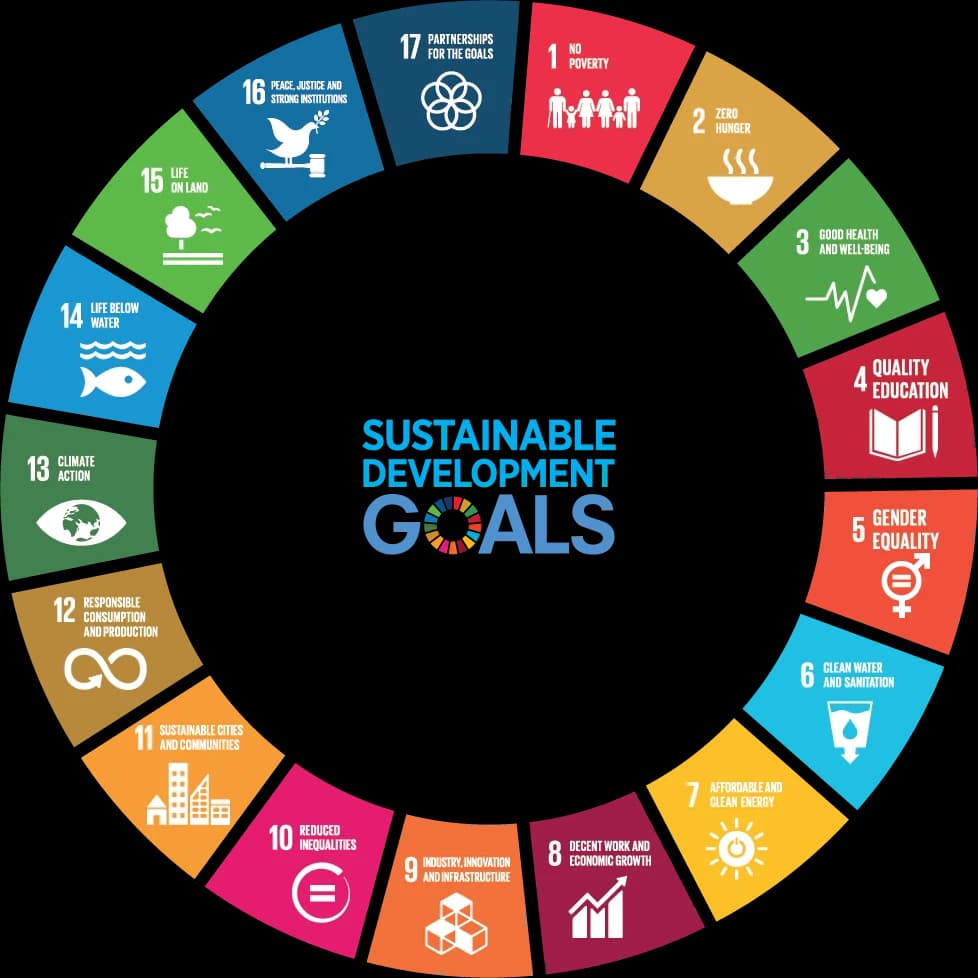
Our work contributes to the United Nations Sustainable Development Goals (SDGs), with a primary focus on protecting terrestrial ecosystems, conserving native biodiversity, restoring degraded habitats and empowering communities through ecological education.
SDG 15 · Life on Land
Protect, restore and promote sustainable use of terrestrial ecosystems.
SDG 15 is at the heart of ELATHAND’s work. We focus on the conservation of tropical habitats and native biodiversity, ecological restoration, invasive alien species awareness and management, and community participation in protecting local ecosystems.
Contributing to shared goals
- SDG 13 · Climate Action
- SDG 4 · Quality Education
- SDG 11 · Sustainable Cities and Communities
- SDG 12 · Responsible Consumption and Production
- SDG 17 · Partnerships for the Goals
From Global Goals to Local Action
The SDGs provide a global framework. ELATHAND brings those goals closer to the ground. We believe that meaningful environmental change begins with informed communities, locally relevant knowledge and collective action.
From conserving a native species to restoring a habitat, from addressing invasive alien species to empowering local conservation voices, every local action can contribute to a global goal.

Conservation is commitment. Restoration is patience. Sustainability is responsibility across generations. Nature responds — if we allow it.
Conservation needs people, not just papers
Field surveys, restoration days, invasive species reporting, education programmes. Tell us where you are and what you can offer, and we will find a way for you to contribute.