
Invasive Watch
An early warning system for biological invasions, built on a network of researchers, students and citizen scientists.
Invasive Watch is a flagship monitoring programme of the Invasion Biology Division of ELATHAND, dedicated to the early detection, documentation and reporting of newly emerging invasive alien species across natural and human-modified landscapes.
The programme strengthens invasive species surveillance through a collaborative network of researchers, students, citizen scientists, local communities and nature enthusiasts. Identifying new introductions and tracking their spread early supports timely scientific assessment and informed management before species become widespread.
To ensure accurate documentation and open access to biodiversity information, Invasive Watch integrates digital and community-based monitoring platforms. NeophyteID is ELATHAND’s AI-powered invasive plant identification and reporting platform. iNaturalist supports geo-referenced biodiversity observations and expert species verification. Community-based reporting brings together observations from local communities, field volunteers, educational institutions and partner organisations. Scientific field surveys provide targeted monitoring by ELATHAND researchers and collaborators.
All verified observations are compiled into a growing database to monitor invasion trends, identify emerging threats, generate distribution maps and support ecological research, policy and conservation planning.
Through science, technology and community participation, Invasive Watch serves as an early warning system for biological invasions, contributing to the conservation of native biodiversity and the long-term ecological resilience of tropical ecosystems.
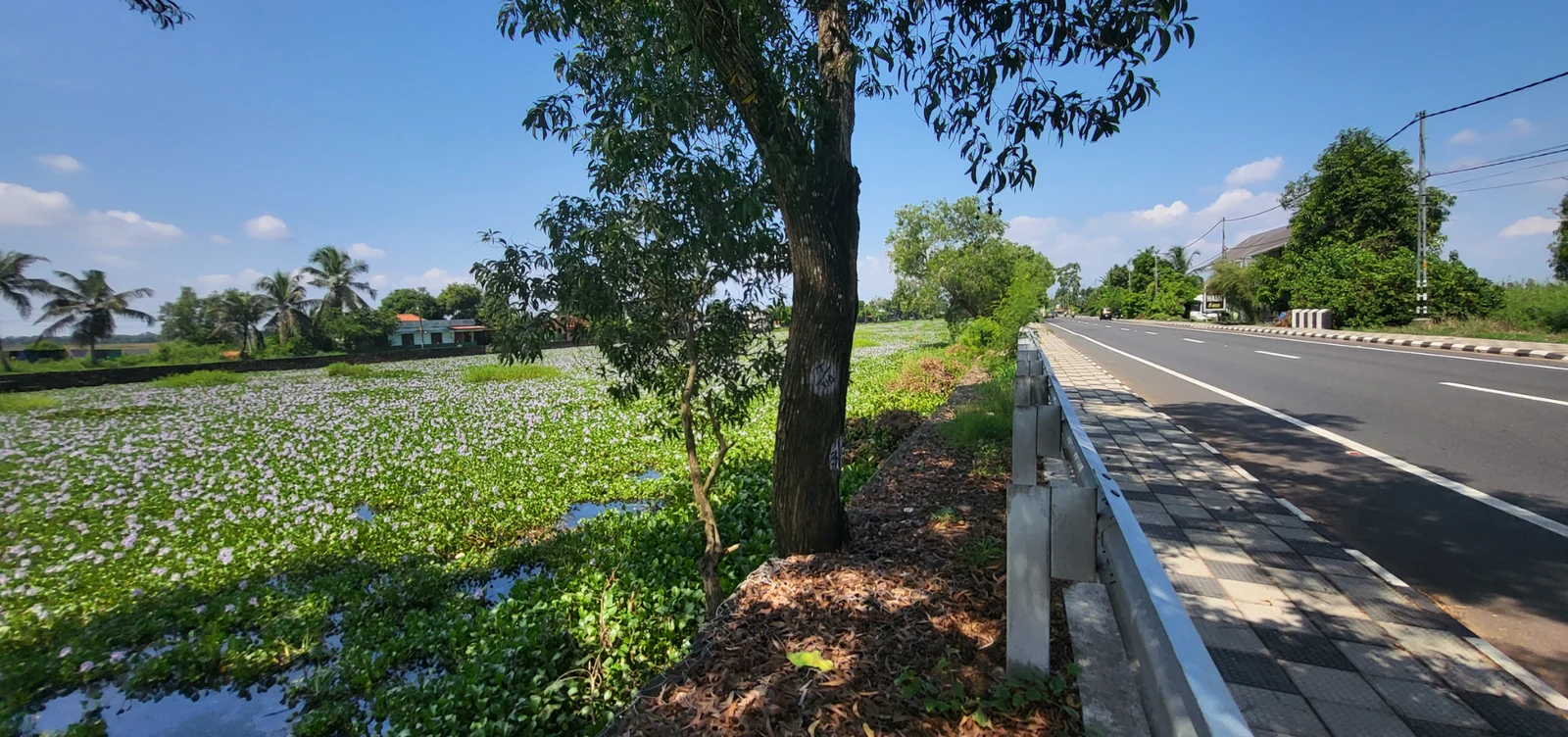
Where to report
Projects on the ground
Riparian Revival
Restoring degraded riverine ecosystems across the Western Ghats through science and community stewardship.
Invasion BiologyNot All Greens Are Good
A long-term public awareness and citizen engagement campaign against invasive plants.
ELATHANDCEPA: Communication, Education & Public Awareness
Making ecological science accessible, engaging and relevant through outreach, creative communication and public dialogue.
Conservation needs people, not just papers
Field surveys, restoration days, invasive species reporting, education programmes. Tell us where you are and what you can offer, and we will find a way for you to contribute.